Decorative Horses for Coloring: A Designer’s Practical Take
If you're an embroidery designer, craft business owner, or someone who creates handmade products with a personal touch, then you know the importance of selecting the right design. Decorative Horses for Coloring is one such graphics set that promises versatility and charm. As someone who has tested countless machine embroidery designs across real-world projects, I wanted to take a closer look at how this hand-drawn horse collection would hold up in actual use—on fabric, in production, and on customer-facing items.
Aesthetic First Impressions
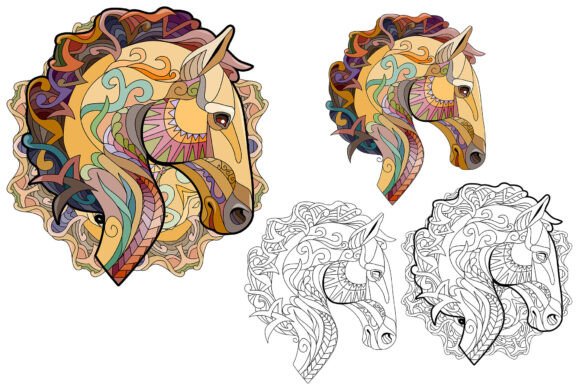
Right out of the box, Decorative Horses for Coloring feels like a breath of fresh air. The horses are stylized with soft curves, expressive features, and minimalistic outlines—perfectly suited for coloring book-style treatments. This gives them a whimsical yet elegant mood, ideal for creative gifts, boutique apparel, or personalized home décor.
The visual personality of these horses is warm and inviting. Their clean lines make them easy to adapt, while their artistic flair ensures they won’t blend into the background. For those working in the illustrations and graphics space, especially digital product sellers or Etsy creators, this design offers a unique angle that stands apart from typical mass-produced motifs.
Theme and Layout Considerations
Each horse is designed with enough negative space to allow for customization. Whether you’re adding color manually or digitally, the structure supports creativity without being overwhelming. The layout is also flexible—you can place the horses alone as a central motif or combine multiple silhouettes for more dynamic compositions. This makes them suitable for both subtle accents and bold statements.
Real-Life Embroidery Use Cases
Let’s say you’re creating a custom sweatshirt for a child’s birthday party. Decorative Horses for Coloring could serve as a fun and engaging front design. The simplicity of the lines allows for easy stitch rendering, while the thematic element resonates well with kids and adults alike.
For tote bags aimed at art lovers or equestrian enthusiasts, these horses bring a touch of sophistication. They work especially well when paired with other elements like floral borders or script text, giving your finished product a cohesive, artisanal feel.
Another practical application is embroidered patches. The horses’ strong outlines ensure clarity even when stitched on small surfaces. They add character to denim jackets, backpacks, or aprons without becoming too busy.
In commercial settings, such as boutique branding or small shop product lines, these illustrations can be used on nursery decor, holiday-themed items, or even gift wrap. Their timeless appeal fits neatly into seasonal collections, making them a good investment for repeatable design assets.
Performance in Different Projects
- Custom Apparel: These horses perform best on medium to large hoop sizes. For sweatshirts or tote bag designs, consider using a combination of fill stitch and running stitch for definition and movement.
- Baby Items: The softness of the shapes works well for baby embroidery, particularly on onesies or blankets where delicate visuals are preferred. Just be cautious with stretchy fabrics, as the fine details may distort slightly.
- Patches and Caps: On curved surfaces like caps or embroidered patches, the horses retain their charm but require careful placement and stabilizer to avoid misalignment during stitching.
- Home Décor: Pillow covers, tea towels, and wall hangings benefit from the horses' ability to stand out while still maintaining a handcrafted vibe.
Where to Use with Caution
While Decorative Horses for Coloring is versatile, there are a few scenarios where it might not shine as brightly. Here are some things to keep in mind:
- Small Hoop Sizes: The detail level of these horses means they need room to breathe. If you're working within tight constraints, simplify the design or focus on a single horse rather than a full scene.
- Textured Fabrics: Stitching on canvas, felt, or other textured materials can cause the fine lines to lose clarity. Always test on similar fabric before committing to a production run.
- Thin or Stretchy Fabric: Delicate fabrics like jersey knits or lightweight cotton may struggle with dense stitch areas. Adjust stitch density accordingly and consider using a tear-away or cut-away stabilizer.
- Dark Backgrounds: While the horses are line-based, thread colors may not contrast as well on dark fabric. It's worth testing different color combinations to see what pops best.
- Frequent Washes: If you're planning to embroider these on items like kitchen towels or baby clothes, ensure the design uses durable thread types and proper backing techniques.
Visual Appeal and Customer Reaction
One of the biggest strengths of this design is its emotional impact. The horses evoke a sense of nostalgia and joy, which translates well into personalized gifts and holiday embroidery. Customers tend to appreciate artwork that invites interaction—whether through coloring or just admiring the detail.
When applied to a handmade product, these horses enhance the overall presentation. They don’t scream “mass produced,” which is a big plus if you're trying to maintain a craft business aesthetic. For Etsy sellers, this kind of design helps elevate listings by offering something visually distinctive yet adaptable.
Design Notes for the Pros
Here are a few key points to remember if you're planning to integrate Decorative Horses for Coloring into your workflow:
- Test on Scrap Fabric: Especially if you're new to the design, always do a trial run. Check how the horses look after stitching and whether the thread colors match your expectations.
- Review Stitch Density: Since the design is detailed, high-density stitches may lead to puckering or stiffness. Adjust settings based on your fabric choice.
- Confirm Hoop Size: Ensure the hoop you're using accommodates the full design without forcing any elements outside the stitching area.
- Inspect Small Details: The facial expressions and body contours are intricate. Make sure your machine and software support precise stitching for these areas.
- Use Proper Stabilizer: Depending on the fabric, choose between tear-away, wash-away, or cut-away stabilizers to protect the design during and after embroidery.
- Check Licensing Before Selling: If you're planning to use these horses in commercial products or digital embroidery files, confirm the licensing terms to avoid any issues down the line.
Black and White Mockups
Because the horses are line-focused, it's wise to create a black and white mockup first. This helps determine if the design will work with different color schemes or if it needs additional embellishments like applique design elements to pop on certain fabrics.
Final Thoughts
Decorative Horses for Coloring is a thoughtful addition to any embroidery project that values charm and creativity. From custom apparel to printable mockups, this design brings a unique personality to your work. However, as with all machine embroidery designs, attention to technical details is essential to achieve professional results.
Whether you're a seasoned embroidery designer or a hobbyist just starting out, these horses offer a great opportunity to experiment with style and function. Just remember to adapt the design to your specific materials and goals, and you’ll find them a rewarding part of your next embroidery project.