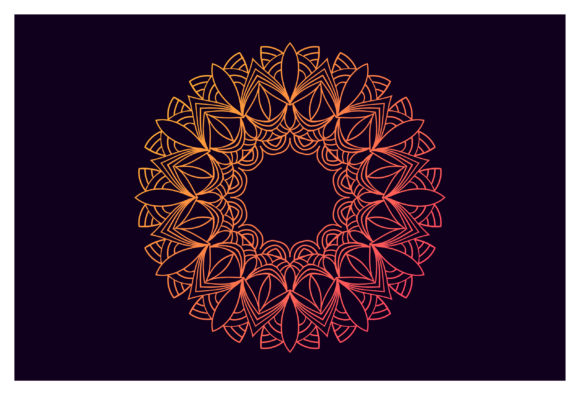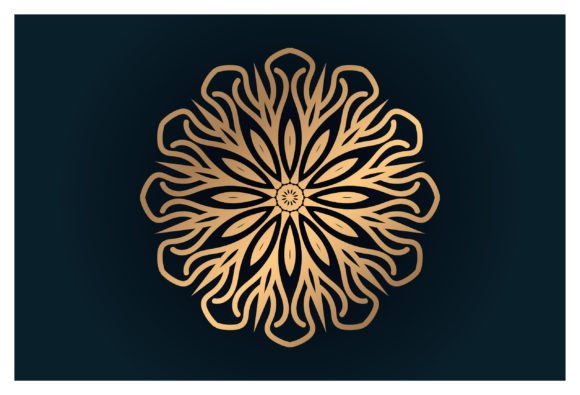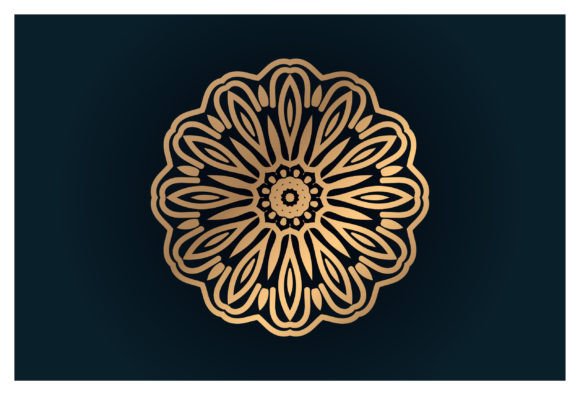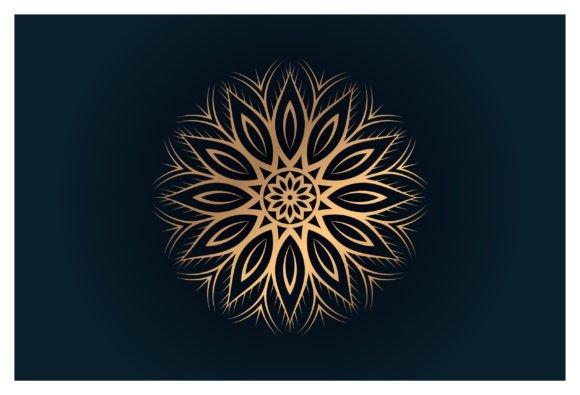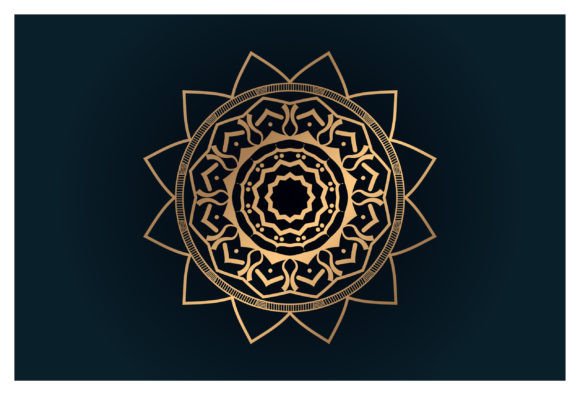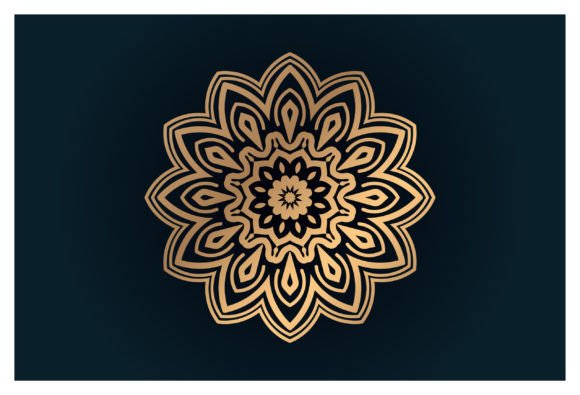
Decorative Mandala Design Background Art Review
As an experienced embroidery designer and product reviewer, I often find myself evaluating new design assets for their real-world usability. When it comes to Decorative Mandala Design Background Art, the first thing that stands out is its artistic versatility. This set of four different styles offers a nice range for those looking to incorporate mandalas into various embroidery projects. But before jumping in, it’s important to assess how these illustrations will translate from digital graphics to stitched fabric—and whether they’ll add value or create headaches.
Aesthetic First Impressions and Design Personality
The mood created by Decorative Mandala Design Background Art is undeniably calming and elegant. Mandalas are known for their meditative qualities, and these designs capture that essence well. Each style brings a unique visual personality—some more intricate with detailed floral elements, others simpler with bold lines and negative space. The overall layout is balanced and symmetrical, which makes them ideal for background art in custom apparel and handmade products where a soft, decorative touch is desired.
I can already imagine this design on a sweatshirt embroidery project, framing a central logo or text. It has the kind of detail level that feels rich without being overwhelming, making it suitable for both subtle accents and standout features. As an illustration-based asset, it's clear these files were designed with embroidery in mind, but like any graphic, they need to be tested for stitch clarity and adaptability across different mediums.
Real-World Use Cases and Project Fit
These mandala backgrounds work especially well in personalization-heavy items such as custom apparel, tote bag design, and even holiday gifts. For example, when creating a personalized baby blanket with a name or date embroidered in the center, using one of these mandalas as a background instantly elevates the aesthetic. It adds a sense of warmth and artistry that aligns perfectly with boutique-style branding.
They also function nicely as part of embroidered patch designs or behind text on handmade product labels. The symmetry and organic shapes make them a great fit for nursery decor, pillow covers, and tea towels. Their presence gives a finished product a cohesive look, which is crucial for Etsy sellers and small shop owners aiming to maintain brand consistency across multiple items.
Design Clarity and Stitch Performance
One of the key considerations for any embroidery file is how it stitches up in reality. Since these mandalas are provided in JPG, PNG, SVG, and AI formats, you'll need to convert them into machine-compatible embroidery files if you're planning to use them directly in your digitizing software. The quality of the original artwork is high, so once converted properly, the stitch density should be manageable, though dense areas may require careful review to avoid puckering or distortion.
For instance, if you’re working on a sweatshirt embroidery piece, ensure that the design is not too large for the hoop size you have available. Stretchy or thin fabrics could cause issues with fine details, especially if the design includes delicate running stitch elements or intricate fill stitch patterns. Always test the design on a scrap piece of the same fabric you plan to use, particularly if you're working with cotton blends or synthetic materials that react differently to tension.
Color and Contrast Considerations
Since no specific thread colors are mentioned, it's essential to determine how the design will appear based on the color palette you choose. The mandalas’ intricate nature means that contrast is critical. If you're using a light-colored fabric, darker thread combinations will help the design pop. Conversely, on a dark base, lighter or metallic threads can give it a luminous effect.
Consider testing the design in black and white mockups before finalizing the thread choices. This helps identify potential issues with visibility and ensures that the design remains legible and visually appealing after stitching. Also, keep in mind that some styles might include tiny lettering or detailed corners that could become lost in translation unless the right stabilizer and underlay are used.
Where to Use with Caution
While Decorative Mandala Design Background Art is versatile, there are situations where it might not perform as expected. Avoid using it in small hoop sizes unless the design is significantly scaled down. In those cases, the details may become too fine to stitch cleanly and reliably, leading to inconsistent results.
Also, be cautious when applying these designs to textured fabrics like denim or flannel. The texture can distort the smooth curves and lines of the mandala, affecting the overall look. Similarly, if you're working on items that will be washed frequently—like aprons or kitchen towels—ensure the design is not overly dense, as this can lead to wear and tear over time.
Curved surfaces like caps or hats present another challenge. The mandala’s shape may need to be adjusted to wrap around the curve properly, requiring additional digitizing effort. Always confirm the hoop size and compatibility with your embroidery machine before finalizing the placement.
Impact on Product Value and Customer Perception
When used correctly, Decorative Mandala Design Background Art can significantly enhance the perceived value of a handmade product. Its artistic quality signals attention to detail and professionalism, which is exactly what customers expect from a craft business or Etsy seller offering personalized items. Whether it’s a personalized gift or a commercial embroidery project, the mandala adds a layer of sophistication that sets your work apart.
However, if the design isn’t adapted well to the fabric or application method, it could end up feeling cluttered or unbalanced. That’s why it's worth investing time in adjusting the stitch types and spacing. Using satiny borders and blending fill areas can make all the difference in achieving a polished look.
Practical Designer Tips for Best Results
- Test on scrap fabric: Always try the design on a sample of the intended material before committing to a full production run.
- Check thread color contrast: Make sure the chosen thread colors stand out against the fabric and complement the rest of the design.
- Review stitch density: Especially in detailed sections, adjust stitch spacing to prevent puckering and ensure smooth embroidery.
- Confirm hoop size: Scale the design appropriately to fit within your available hoop dimensions.
- Inspect small details: Look closely at areas with fine lines or intricate motifs to ensure they’ll hold up during stitching.
- Use proper stabilizer: A good backing is essential for maintaining the integrity of the design, especially on stretchy or slippery fabrics.
- Compare light and dark fabric backgrounds: Test the design on both to see which yields the best visual impact.
- Check commercial licensing: Before selling any finished product featuring these designs, verify the license terms to avoid legal complications.
Final Thoughts for Creative Entrepreneurs
In my experience, Decorative Mandala Design Background Art is a solid addition to your design toolkit if you're targeting design assets for lifestyle, wellness, or bohemian-themed items. It’s particularly useful for printable mockups and digital previews since the clean lines and repeating patterns translate well visually.
That said, it’s not a one-size-fits-all solution. Depending on your niche and target audience, the mandala could either resonate deeply or feel out of place. If you're designing for a minimalist line or modern aesthetic, consider using only the most simplified version of the design. For holiday embroidery or spiritual-themed products, however, these mandalas are practically tailor-made.
Remember, the true power of any machine embroidery design lies in how it’s implemented. Take the time to evaluate each style in the context of your upcoming embroidery project. With thoughtful adjustments and thorough testing, Decorative Mandala Design Background Art can become a valuable component of your creative offerings—whether you're embellishing a tote bag or adding a signature touch to a boutique line of clothing.