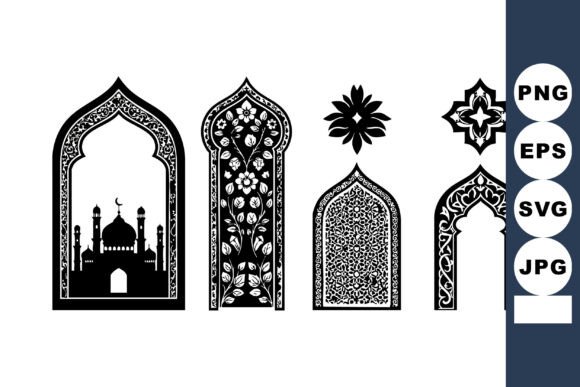
Decorative Mandala Graphics for Editorial and Web Design
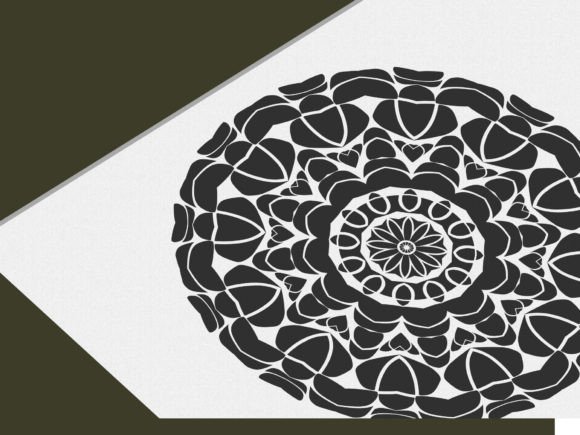
As a seasoned blog designer and digital publisher, I always approach a new graphic design asset with both curiosity and practicality in mind. Today, I’m reviewing Decorative Mandala, an illustration that immediately draws attention with its intricate symmetry and organic flow. This isn’t just another decorative element—it’s a versatile tool for content creators who want to infuse their digital projects with visual warmth and intention.
Elevating the Editorial Mood with Visual Depth
The first thing I noticed about Decorative Mandala is its ability to create a calming yet visually rich editorial mood. It exudes a sense of mindfulness, making it especially well-suited for lifestyle blogs, wellness content, and creative niches like yoga, meditation, or floral design. The delicate lines and repeating motifs give it a spiritual and artistic undertone, which can subtly influence how readers perceive the brand or message behind your content.
This design asset feels intentionally crafted, not mass-produced. It supports a wide range of niches from adult coloring pages to wedding invitation cards, but where it truly shines is in editorial layouts and website headers that require a touch of elegance without overwhelming the viewer. Its ornate nature makes it feel feminine and seasonal, especially during holidays like spring or summer when floral and meditative themes are in demand.
Aesthetic Compatibility with Modern Design Trends
While Decorative Mandala carries a strong artistic flair, it doesn’t clash with modern web design trends. In fact, it can serve as a bridge between traditional aesthetics and contemporary minimalism. When used thoughtfully, it adds texture and personality without detracting from clean typography or bold branding elements.
Its intricate details also make it ideal for print-based resources such as greeting cards or downloadable printables. Whether you're creating a digital guide on self-care or a printable worksheet for mindfulness practices, this illustration enhances the perceived value of the resource by suggesting care and creativity in its production.
Real-World Applications in Content Publishing
In my publishing workflow, every design must earn its place. Let’s explore where Decorative Mandala could add real value:
- Blog Featured Images: Ideal for soft-topic posts like “Mindfulness Tips for Busy Parents” or “How to Create a Floral-Inspired Brand.” The mandala's detail invites clicks and engagement.
- Pinterest Graphics: The circular layout and high level of detail work perfectly on Pinterest. They stand out in feeds and encourage saves, especially for wellness and lifestyle boards.
- Newsletter Headers: Use it as a subtle background pattern or overlay to introduce a section about seasonal promotions, educational workshops, or affiliate marketing campaigns.
- Category Thumbnails: A mandala-themed thumbnail helps users quickly identify sections like “Wellness,” “Art & Creativity,” or “Seasonal Guides.”
- Digital Guides and Lead Magnets: Perfect for enhancing the cover art of free PDFs, worksheets, or lead magnets focused on personal growth, spirituality, or creative hobbies.
- Canva Templates: If you're designing templates for clients or selling them yourself, this mandala illustration can be layered beneath text blocks or used as a border element to elevate the look.
- Social Media Previews: For Instagram carousels or Facebook posts promoting downloadable resources, it adds a polished, professional finish.
Supporting Stronger First Impressions and Click-Through Rates
One of the most important aspects of content marketing is capturing attention quickly. Decorative Mandala contributes to stronger first impressions by offering a unique visual anchor. Readers are drawn to the complexity and beauty of the illustration, increasing the likelihood they’ll stop scrolling and click through to read more.
When paired with the right headline and color palette, this graphic design asset becomes a powerful part of your visual hierarchy. It can frame key messages or highlight calls to action in digital ads, affiliate banners, and landing pages. As a result, your content marketing efforts gain traction faster and appear more trustworthy—especially for small business branding in creative niches.
Where This Illustration Excels
Here are some of the best use cases where Decorative Mandala really comes into its own:
- Hero Images: Use it as a full-width header on a page dedicated to wellness or creative topics. It adds visual interest while supporting the thematic tone.
- Article Thumbnails: On platforms like Medium or WordPress, thumbnails with mandalas tend to catch the eye more than plain photos or generic stock graphics.
- Editorial Accents: Place smaller versions of the mandala around sidebars, pull quotes, or article footers to unify the layout and reinforce brand identity.
- Content Upgrades: Wrap it around an eBook cover or printable download to signal quality and attention to detail.
- Media Kits: If you're a blogger or influencer curating a media kit, this illustration can serve as a watermark or background texture in your promotional materials.
Enhancing Brand Consistency and Reader Trust
For publishers looking to build a cohesive brand identity, using Decorative Mandala across multiple touchpoints creates a sense of continuity. Whether it’s a Pinterest pin or a newsletter banner, the repetition of this motif helps readers recognize and remember your content. That’s the kind of visual identity that builds trust over time.
Additionally, the mandala’s detailed nature gives your content a handcrafted feel. In today’s fast-paced digital world, this can be a refreshing contrast to cookie-cutter designs. It signals professionalism and authenticity, which are key in niches like fashion design or adult-oriented creative products.
Use Cases to Approach with Caution
Despite its strengths, there are scenarios where Decorative Mandala may not be the best fit:
- Small Mobile Thumbnails: The fine details can become lost at lower resolutions, reducing its impact.
- Text-Heavy Blog Images: Too much ornamentation can compete with readability, so avoid placing large blocks of text directly over it unless you have a transparent layer or mask.
- Low-Contrast Backgrounds: Without proper layering or masking, the mandala might blend into a light-colored background and fail to stand out.
- BUSY Layouts: Pairing it with too many other design elements could overwhelm the user experience. Keep compositions simple and intentional.
- Corporate or Professional Niches: While it works great for lifestyle and creative brands, it may not align with serious corporate websites or financial blogs that prefer a more subdued visual language.
- Websites with Minimalist Visual Systems: If your site uses a very clean, sans-serif font-driven style, the mandala might feel out of place unless integrated carefully.
- Test on Desktop and Mobile Screens: Make sure the design scales well and remains legible on all devices.
- Check Thumbnail Quality: Upload the image to a test blog or social media platform to see how it appears as a preview.
- Preview Inside a Real Blog Layout: How does it interact with your existing theme? Does it complement or conflict with the color scheme?
- Test with Headline Text: Overlay different fonts (serif, sans serif, script, handwritten, display) to find what pairs best.
- Assess Contrast and Readability: If you’re adding text over the mandala, ensure there’s enough contrast for accessibility and clarity.
- Try in Black and White: Evaluate whether the design holds up without color, especially if it will be printed or viewed in grayscale.
- Review File Size: Large file sizes can slow down your site. Compress the images properly without sacrificing quality.
- Confirm Commercial Licensing: Always verify that the asset has a commercial license before using it on monetized sites, affiliate marketing pages, or paid digital products.
Practical Publisher Notes for Implementation
Before incorporating Decorative Mandala into your next project, consider these tips to ensure optimal performance:
Final Thoughts on Decorative Mandala for Content Creators
Decorative Mandala is a standout addition to any creative design toolkit. As someone who regularly works with illustrations and graphics in blog design and content publishing, I appreciate assets that offer both aesthetic appeal and functional flexibility. This mandala illustration meets those criteria and more, especially when used in editorial contexts where visual storytelling matters.
It supports everything from blog graphics to Pinterest pins and even printable design resources. However, its effectiveness depends on thoughtful application. Used wisely, it can strengthen your visual hierarchy, improve category recognition, and support a more professional-looking content page. But in the wrong context, it risks being distracting rather than helpful.
If you're exploring design assets in the creative marketplace for your next project—whether it's a digital product, a Canva template, or a website header—consider how Decorative Mandala could enhance your brand identity and reader experience. Just remember to balance its beauty with purpose, ensuring it serves the content rather than overshadowing it.